
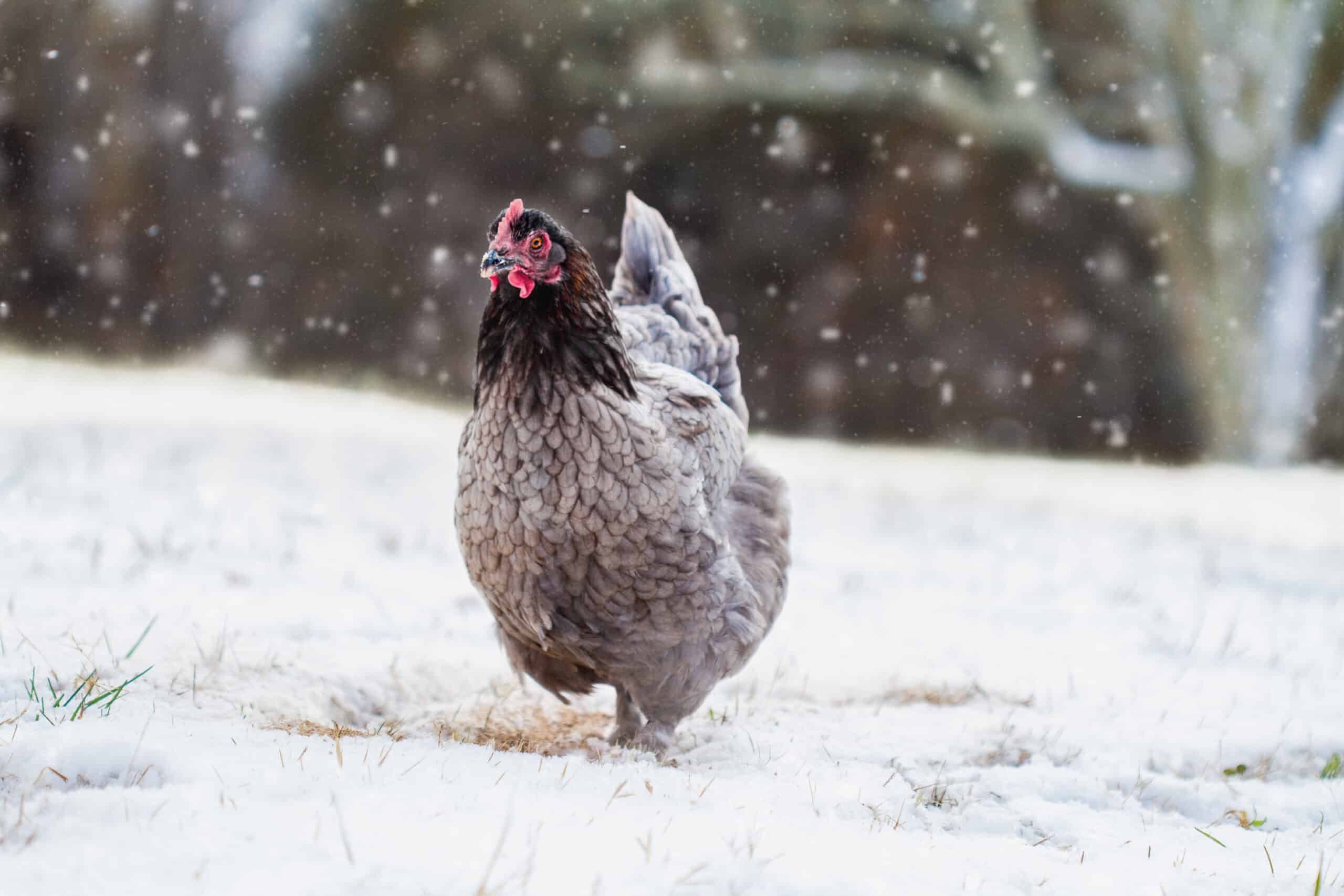
Are you looking for a chicken breed that is known for being friendly and having beautiful feathers? If so, then you will want to check out the 10 best feather-footed chicken breeds!
These gorgeous chickens are not only fun to look at, but they also make great pets because many of these breeds of chicken have gentle and friendly dispositions. Some are even great egg layers on top of it all! So if you are considering adding some feathered friends to your farm, be sure to check out these ten amazing breeds!
What are the benefits of owning feather-footed chickens?
Owning feather-footed chickens can be both a rewarding and an enriching experience. They’re adorable and showy, so they are a great conversation starter. Some of the benefits of owning feather-footed chickens include the following:
- Aesthetics: Chickens with feathered feet are visually stunning and make a great addition to any flock. They are good candidates for being show birds and often have the right temperaments to be good pets.
- Broody Nature: Breeds with feathered feet are generally heirloom breeds that may tend to go broody more frequently than production birds. This isn’t true for ALL feather-footed breeds, though, so make sure you do your research!
Overall, feathered feet chickens can be a great way to add some variety and pizazz to your flock.

What to consider when choosing a feather-footed chicken breed?
1. Feather-Footed Chicken Breed: Temperament
When it comes to choosing a feather-footed chicken breed, it’s important to note the temperament of the breed in question. These breeds are typically quite docile and friendly, making them great for pets or egg-laying. However, some breeds may be more active or aggressive than others. For example, Belgian D’Uccles and Silkie are known to be calm and laid back. It’s important to do your research when selecting a breed to ensure it fits your lifestyle and expectations. If possible, you should also reach out to your breeder and see if they breed for temperament as part of their breeding programs.
2. Health Concerns for Feather-Footed Chickens
Feathered feet themselves don’t have a lot to do with the health of chickens. The health and constitution of the chicken can be affected by their breed and even more importantly, their breeding program – how diverse is the breeding population? Do they cull sickly birds or birds with poor health outcomes? Are there known breed-specific health issues that need to be managed? For example, Silkies are known for vitamin E deficiency, so they often will need to be supplemented.
3. The Right Climate for Feather-Footed Chickens
When it comes to choosing a feather-footed chicken breed, one of the primary considerations is the climate. Breeds that were developed in countries with cold climates, such as China and Turkey, are better equipped to survive in colder temperatures because of their extra protection from rain and snow melting. They produce more body heat by trapping the heat produced by their legs. On the other hand, breeds that were developed in warmer climates may not be as hardy as those with feathered feet and their feather coverage may not provide enough protection from the cold weather.
In addition to climate, other considerations when choosing a feather-footed chicken breed include the amount of eggs they produce per year, their eggshell color, their weight, their lifespan, and whether or not they are friendly. For example, the Faverolle chicken breed produces around 200-250 chicken eggs per year on average, and their lifespan is around 4–8 years, depending on the care provided by their owners.
Feather-footed chickens like Sultans are better suited to warmer climates whereas French Black Copper Marans do great in cold climates.
4. Feather-Footed Chicken Breed: Housing Requirements
When it comes to housing a feather-footed chicken breed, there are a few things to consider. You’ll want to make sure their coop is draft free and insulated enough that they won’t get their feet feathers wet before roosting at night, particularly in the winter.
When choosing roosts, go for wider roosts where chickens can tuck their entire feet and legs under themselves without leaving their toes exposed to help prevent frostbite.
For your coop, make sure there are no places where their feathered feet can get stuck or the feathers caught and ripped out.

5. Egg Production for Feathered Feet Chickens
There are so many different breeds that have feathers that it’s hard to generalize the average egg production for feather-footed chickens. More showy breeds like Sultans don’t produce a lot of eggs, whereas some other heritage breeds with feathered feet like Marans lay a moderate level of eggs. Brahmas are the feather-footed chickens who lay the most eggs – averaging about 250 per year.
6. Feather-Footed Chicken Breed: Meat Quality
When choosing a feather-footed chicken breed, it is important to consider the meat quality. The Brahma breed is a good choice for those looking for a dual-purpose breed with good meat quality. You’ll want to balance egg production and carcass quality if you’re looking for a good balance between those two qualities. Larger birds will generally produce better meat quality, but will lay less eggs than the smaller birds who are bred to lay the most eggs in the smallest space.
7. How much do feather-footed chickens cost?
Feather-footed chickens tend to be rarer breeds than other production breeds. You can get hatchery quality chickens for $5-15 each or buy hatching eggs or chicks from quality breeders for more. A dozen French Black Copper Maran eggs can be $60-75 from a good quality breeder or more from a breeder with high-scoring show quality birds.
The 10 best feather-footed chicken breeds
1. Belgian d’Uccles
Belgian d’Uccles are a great feather-footed chicken breed because they have excellent temperaments and make great pets. They are calm, docile, and rarely aggressive, which makes them easy to manage in a flock. They are also small, which makes them less vulnerable to bullying. Additionally, they provide a colorful addition to any flock with their iridescent feathers. They lay cream-colored eggs, albeit in small numbers, and make excellent mothers to their chicks. Lastly, they are unique in appearance with feathered feet and their Millie Fleur variety having an almost polka-dotted feather pattern. All in all, Belgian d’Uccles make a stunning and friendly addition to any flock.
2. Brahma Chickens
The Brahma chicken is a great feather-footed chicken breed for many reasons. Due to their size and relaxed temperament, they are naturally higher in the pecking order and require little maintenance. They are also gentle giants and make a great addition to any flock. They are very docile and sweet-tempered and are not aggressive or difficult to handle, making them ideal for families with young children.
They are also a dual-purpose breed, meaning they can be raised for both meat and eggs. They can lay up to 150-200 eggs a year and lay large eggs, which makes them great for production. Lastly, the Brahma is a hardy breed, which makes them ideal for winter climates. All of these attributes make the Brahma an excellent choice for a feather-footed chicken breed.
3. Faverolles
The Faverolles is a great feather-footed chicken breed for many reasons. Their docile, friendly personalities make them excellent additions to any flock. They are very curious but not destructive, making them a great choice for beginner chicken keepers.
They are good layers, with hens laying around 160 light brown to pinkish eggs per year, depending on how heavy of a bloom the hen throws. They are beautiful birds with feathered legs and feet, a huge beard and muffs, and come in a variety of colors like salmon and white.
They are also adaptable to colder temperatures and can withstand the winter months while still being productive layers. All in all, the Faverolles is a wonderful breed to add to any flock.
4. Silkies
Silkies are one of the best feather-footed chicken breeds for a variety of reasons. Their temperament is incredibly sweet and friendly, making them a great choice for families with small children.
They are incredibly docile and do great in confinement, yet their foraging skills are also good. Their unique fluffy feathers make them incredibly soft.
Finally, Silkies have black skin, meat, and bones, a walnut-shaped comb, five-toed feet, and blue earlobes, making them a distinctive and appealing breed. Silkies do have a tendency to be vitamin deficient, so it’s important to know the signs of vitamin deficiency and be prepared to act quickly to correct it.
5. Croad Langshan
The Langshan Road Croad is an excellent feather-footed chicken breed due to its calm and friendly nature, adaptability, large size, and hardiness. These chickens are docile and gentle, making them great family pets.
They are also adaptable and can do well in both free-range and confined environments. Langshan Road Croad chickens are known for their ability to lay eggs even in the wintertime, which makes them an excellent choice for homesteaders who rely on eggs for sustenance.
These large chickens are also hardy and can withstand cold weather, though they should still be kept out of the elements as much as possible. Finally, Langshan Road Croads make excellent mothers and will go broody, which can help to ensure a healthy and happy flock.
6. Pekin Bantam
The Pekin Bantam is an ideal breed of chicken for those looking for a small, docile pet chicken. This breed has a round body and beautiful, long feathers on its feet and legs, which come in a variety of colors. This provides a unique look, making them a great addition to any backyard.
Additionally, Pekins are very quiet, rarely developing health issues, and make great mothers. They are also easy to tame and get along well with small children. They don’t product a lot of eggs, so if you’re looking for egg production, this breed is probably not right for you. All of these features make the Pekin Bantam an interesting feather-footed chicken breed.
7. Mille Fleur Chickens
Mille Fleur d’Uccle Bantams are a great choice for adding to a chicken flock. These chickens are easy to handle and have a beautiful feather pattern that can be attractive in any backyard flock. Their single combs and beards, muffs, and feathered feet and legs give them a unique look that can be enjoyed by all.
The males have a light orange head with each feather having a V-shaped bar of black and white spangle, while the back, saddle and hackle feathers, breast body, wing shoulders and wing fronts are golden bay marked with crescent-shaped spangle of black and a V-shaped white spangle. The main tail is black-tipped with white. The females, on the other hand, have a golden buff plumage with each feather being marked with a V-shaped bar of black and tipped with a white spangle.
These chickens are an ideal addition to any flock and are sure to turn heads.

8. Cochin
The Cochin chicken breed is one of the best for those looking for a family-friendly breed of chicken. They are incredibly gentle and friendly, making them a great pet for children and families. In addition, they are easy to maintain and have a high egg-laying rate, making them a great choice for backyard chicken keepers. Moreover, they are extremely fluffy, with feathers covering nearly all of their body, making them beautiful to look at.
Furthermore, their thick feathers provide insulation and make them well-suited for colder climates, making them a great choice for those who live in such areas. Finally, they have large appetites, but they are not very active and don’t need much space, meaning they won’t be a burden on the pocketbook. All in all, the Cochin chicken is an excellent choice for those looking for a family-friendly, feather-footed chicken breed.
9. French Blue Copper Maran
The French Blue Copper Maran is one of the best feather-footed chicken breeds because of its calming and docile nature, its cleanliness, and its high fertility rate. The Marans are known for their calm and docile temperament, making them perfect for backyard chickens.
They also rarely soil their nesting boxes, and rooster behavior is generally quite good. This is an ideal combination of traits for a productive bird, offering a great balance between productivity and a healthy environment.

10. Sultan
The Sultan chicken breed is an excellent choice for those looking for a showy and unique breed of chicken. Its distinct appearance sets it apart from other breeds, with a large crest of feathers atop its head, v-shaped comb, beard, muffs, large nostrils, vulture hocks, and feathered shanks. Further, this breed is known for having an affable and friendly personality. They’re beautiful and showy but don’t lay a lot of eggs so they’re more of an eye candy chicken for ornamental purposes that may not work well for a backyard flock depending on your goals.
FAQ
What are the characteristics of feather-footed chickens?
Feather-footed chickens have a unique genetic trait called “ptilopody” which is characterized by either partial or full development of feathers on the shank and feet. The feathers can come in a wide variety of different colors, patterns, and sizes. These chickens are usually docile and friendly, and can be used for egg-laying, dual-purpose birds, or as pets. The seven main breeds of chickens with feathered feet are Croad Langshan, Belgian d’Uccle, Cochin, Booted Bantam, French Marans, Brahma, Silkie, Faverolle, Pekin, and Sultan. These breeds were developed to withstand cold climates, providing extra protection from snow and rain. They are a great addition to any flock, adding some feathery fun.
What is the difference between leg feathers and body feathers?
Leg feathers are usually more vulnerable to disease because of the presence of scales or scutes beneath the feathers, which can make them more susceptible to infestation by mites. They can also be prone to frostbite in cold and damp environments. Conversely, body feathers do not have this risk, and their size can be useful in protection against predators. Leg feathers are also more likely to become muddy or poopy, while body feathers remain cleaner. Finally, while leg feathers often have a flashy and elegant appearance, body feathers typically have a more muted and plain look.
How do you care for a feather-footed chicken?
The main concerns with caring for a feather-footed chicken compared to a regular chicken are with cold and mites. The leg feathers can get wet easily and freeze over the legs overnight, causing frostbite. There are even stories of chickens who got frozen to the ground by their leg feathers because they got wet and didn’t get dry off in time.
Mites can also be an issue as they can hide in the feathers and attract more mites in general. It’s important to do regular checks of your chickens’ legs so that you can treat them before the problem becomes too bad. Remember that when you’re dealing with mites, you can’t just treat the chickens; you also need to thoroughly clean and treat the coop itself.
What colors of feathers can a feather-footed chicken have?
Feather-footed chickens can have a wide variety of feather patterns, colors, and sizes. Some of the popular breeds of chickens with feathered feet include Booted Bantam, Sultan, Brahma, Silkie, Barbu d’Uccle, Pekin Bantam, Croad Langshan, Frizzle, Faverolle, Cochin, Marans, and Malaysian Serama. These breeds come in a variety of colors, such as black, white, red, blue, buff, lemon, silver, wheaten, cuckoo, and partridge. Some of these chickens can also have unique feather patterns, such as laced, spangled, barred, or light and dark coloration. In addition, some breeds are known to have a mottled or spotted coloration. Ultimately, there is a wide range of feather colors and patterns available for chicken owners, depending on the breed they choose.
How many eggs do feather-footed chickens lay?
Feather-footed chickens lay between 90-250 eggs per year, depending on the breed. Faverolles hens lay around 180 eggs per year, Booted Bantams lay about 150-180 eggs per year, and Cochin chickens lay about 100-150 eggs per year on average.
To make sure your chickens are laying optimally, make sure you’re providing a good quality layer feed to them, and supplement with additional calcium like oyster shells or eggshells.
Are feather-footed chickens good for show?
Feather-footed chickens are an excellent choice for show, particularly if you are looking for something out of the ordinary. Many of these breeds are recognized by the American Poultry Association, and regardless of the type you choose, most of them have unique characteristics that aren’t matched by other breeds. Bantams are particularly popular for show, as their small size and flashy feathered feet make them very attractive. Plus, their friendly demeanor makes them great companions, and they love interacting with people.
How many different breeds of feather-footed chickens are there?
There are currently eight different breeds of feather-footed chickens that are recognized by the American Poultry Association (APA) and American Bantam Association (ABA). These chickens belong to a group called the Feather Leg Class and include the Booted Bantam, Sultan, Brahma, Silkie, Belgian Bearded D’Uccle, Croad Langshan, Faverolle, and Cochin chickens.
No matter what your needs are, there is sure to be a feather-footed chicken breed that is perfect for you. Do your research to find the one that best fits your climate, production needs, and personality. With so many great options, you can’t go wrong.


